

Storm Restoration Website Design Company
STORM DAMAGE RESTORATION WEBSITES THAT TURN CLICKS INTO CALLS
-

Tap-to-call on every screen
-
Service and insurance pages that build trust
-
You own 100% of the site from day one


WEBSITES BUILT FOR STORM DAMAGE RESTORATION COMPANIES
When a hurricane, tornado, hail storm or wind event tears through town and hundreds of properties need help at once, people decide in seconds whether to call you. Your site has to load fast on a phone, show your number right away and prove you are local, insured and experienced.
We design sites with a page for each service, like storm damage repair, emergency tarping and board-up and tree-on-house damage cleanup, clear insurance and process sections, real job photos and reviews, and forms that capture the details your team needs.
Websites start at $1,000+ as a one-time fee. There is no monthly rent, and you own 100% of the site from day one.
Get Started
WHAT CUSTOMERS LOOK FOR
PROOF, CLARITY AND A FAST WAY TO CALL
What your site needs to earn the call.
- A phone number they can tap immediately
- Clear service area and response times
- Real photos, reviews and credentials

Service pages
One page for each service you offer.

Insurance help
A plain explanation of how claims and billing work.

Easy contact
Tap-to-call, text and a short request form.
WHAT'S INCLUDED IN A STORM DAMAGE WEBSITE
Every build includes:
- Custom design in your brand
- Service and town pages
- Insurance and process section
- Job photo galleries
- Reviews, licensing and insurance details
- Emergency contact and request form
- Mobile-first, fast build
- SEO foundations and call tracking
WHY MOST STORM DAMAGE SITES LOSE CALLS
Slow pages, a phone number buried in the footer and stock photos make an urgent decision feel risky.
A fast site built around real jobs, honest answers and a big call button turns more visitors into booked work.
Get Started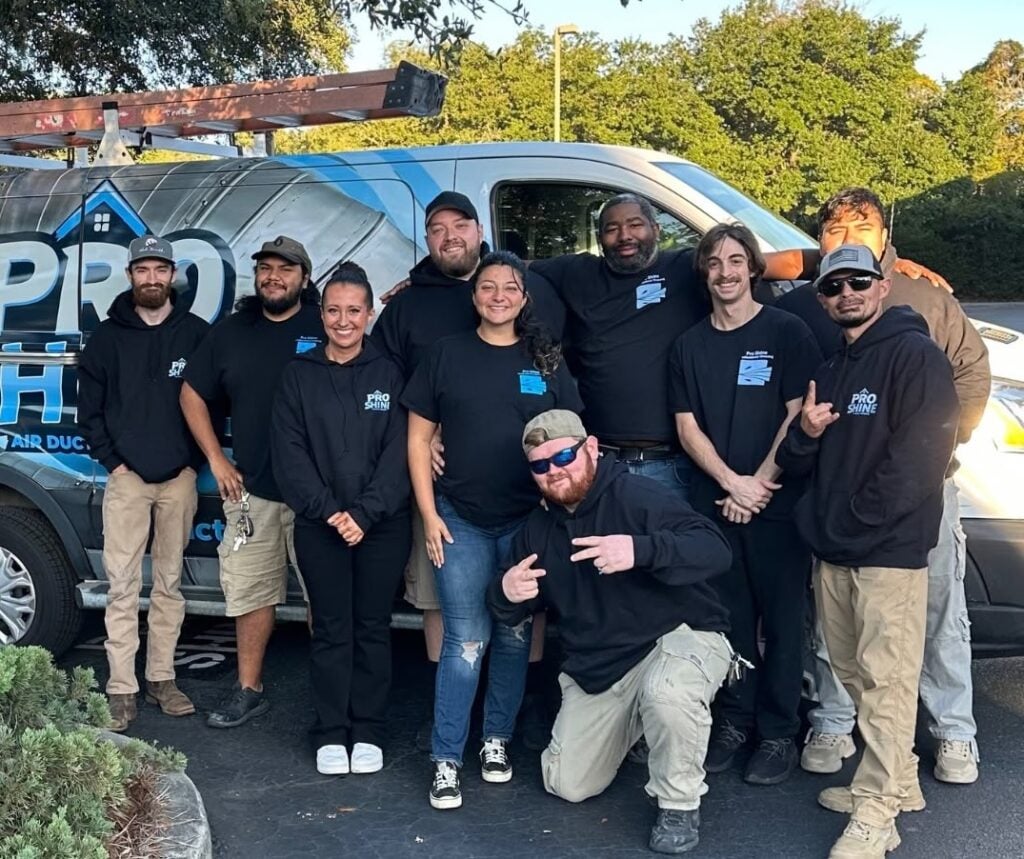
Our Process
HOW WE WORK WITH STORM DAMAGE RESTORATION COMPANIES
A clear plan, monthly work and reports you can actually read.
- Audit — We review your site, rankings, ads, profile and where jobs come from today.
- Plan — We pick the storm damage restoration services and towns worth the most to your business.
- Build — Service pages, profiles, campaigns and call tracking go live.
- Optimize — Monthly improvements based on booked jobs, not clicks.
- Report — Plain reporting on visibility, calls and what we do next.
Related Services
STORM DAMAGE RESTORATION MARKETING SERVICES
Each service works on its own and works better together.
The Mechanics of Storm Damage Restoration Websites That Convert
When a severe weather event hits, the digital landscape for restoration contractors shifts instantly. Search volume for terms like storm damage restoration and storm damage repair spikes within minutes of a hailstorm or high-wind event. Property owners are often in a state of high stress, dealing with compromised roof structures, shattered windows, or rising water. In these moments, they are not browsing for entertainment; they are looking for a professional who can stabilize their property and navigate the complexity of an insurance claim.
A website for this industry must function as a high-performance utility. It needs to provide immediate answers to two internal questions every homeowner asks: "Can they handle this specific problem?" and "Can they start right now?" If your site takes five seconds to load on a mobile device or hides your emergency board up capabilities behind three menu clicks, the user will bounce back to the search results to find a competitor who makes the process easier.
Understanding Customer Search Behavior During Weather Events
Customer search patterns in the storm restoration sector are highly reactive and segmented by the specific damage sustained. While some users search for broad terms, many use highly specific "problem-based" queries. A homeowner with a tree through their roof is looking for different technical language than a commercial property manager dealing with flood cleanup after a heavy downpour.
We build sites that account for these diverse entry points. This involves creating specific landing environments for various disaster scenarios, such as:
- Structural Stabilization: Content focusing on temporary shoring and debris removal to prevent further collapse.
- Water Ingress: Dedicated sections for interior drying and mitigation following roof or window failure.
- Wind and Hail: Detailed explanations of how to identify soft-metal damage or shingle bruising that an adjuster might miss.
- Secondary Hazards: Addressing the immediate need for emergency board up to secure a property against theft or wildlife after a storm.
By mapping your website’s structure to these specific search intents, we ensure that when a lead lands on your page, they see exactly what they were searching for within the first three inches of their phone screen. This relevance is what drives the transition from a click to a recorded phone call.
Technical Performance and Asset Ownership
A significant issue in the restoration marketing industry is the "rented" website model. Many agencies charge a high monthly fee for a site that they take down the moment you stop paying. We operate differently. Our sites start at a one-time fee of $1,000+, and you own 100% of the code, content, and design from day one. This is a foundational business asset, not a monthly liability.
Because you own the site, you have full control over the technical performance. We build on clean, lightweight frameworks that prioritize Core Web Vitals. In a storm, cellular towers are often overloaded. A site heavy with unoptimized video backgrounds or bloated scripts will fail to load for a homeowner standing in their driveway on a weak 5G signal. We optimize every image and script to ensure that even in low-bandwidth situations, your contact information and flood cleanup credentials load instantly.
Common Conversion Killers in Storm Restoration
We frequently see restoration companies spend thousands on lead generation while their website actively pushes customers away. One of the most common mistakes is the use of generic, over-polished stock photography. Property owners want to see your trucks, your crews in branded gear, and your equipment—like air movers, dehumidifiers, and roof tarps—in action on local streets they recognize.
Another common failure is the lack of "Insurance Literacy." Most homeowners are terrified of the claims process. If your site doesn't explicitly state that you work with all major carriers and understand the Xactimate estimating process, you are leaving a massive gap in trust. We integrate specific language that positions your company as an advocate for the policyholder, helping them bridge the gap between the initial damage and a fully restored home.
Finally, many sites fail to account for the "Commercial vs. Residential" divide. A facility manager looking for storm damage repair for a warehouse has different requirements than a homeowner. We design distinct pathways for these users, ensuring that commercial prospects see your capacity for large-loss projects and specialized equipment, while residential users see your commitment to family safety and property protection.
The First 90 Days: Beyond the Launch
Launching a high-converting site is the first step, but the first 90 days are critical for establishing search engine authority. Once the site is live, the focus shifts to feeding the site with "social proof" and local relevance. This period is when the SEO foundations we build into the site start to interact with local search signals.
During this initial phase, we recommend a heavy focus on the following:
- Hyper-Local Project Pages: Documenting specific storm damage restoration jobs in nearby suburbs with photos and brief descriptions of the work performed.
- Review Integration: Connecting your Google Business Profile to the site so that new five-star reviews for flood cleanup or emergency repairs appear automatically, providing fresh content for search engines.
- Lead Response Testing: Monitoring how quickly your team responds to form submissions and ensuring that call tracking is accurately attributing leads to specific pages.
This data-driven approach allows us to see which services are generating the most profitable inquiries. If you find that emergency board up calls lead to more full-scale reconstruction contracts, we can adjust the site's internal linking to prioritize those high-value entry points.
Measuring Success Through Actual Revenue
We do not measure the success of a website based on "vanity metrics" like impressions or total hits. In the restoration trade, a thousand visitors from three states away are worthless. We measure success by the number of qualified calls and form submissions from people within your actual service area who are experiencing a property loss.
By integrating call tracking and clear conversion points, you can see exactly which page prompted a customer to call. This transparency allows you to treat your website as a predictable part of your sales funnel. When you know that your site converts a specific percentage of visitors into calls for storm damage repair, you can make informed decisions about how much to invest in additional marketing channels like PPC or Local Services Ads. A strong website is the hub that makes every other marketing dollar you spend work harder.
FAQs
Commonly Asked Questions
How long does a website take?

Most builds take several weeks, depending on page count and how quickly photos and content are ready.
Do you write the content?
Yes. We write the pages and gather details from your team.
How much does it cost?
Website design starts at a one-time fee of $1,000+, and you own 100% of the site from day one.
Will the site help with SEO?
Yes. Structure, speed and content are built for search, and it pairs with our storm damage restoration SEO service.
Can you redesign our current site?
Yes. We rebuild your site and keep what already ranks.